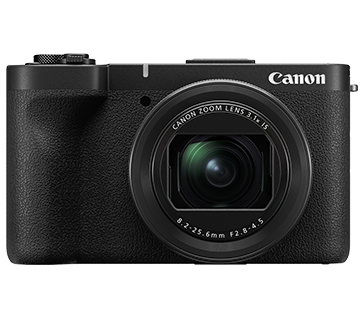
Canon PowerShot V1 ↗
A 17–52mm-equivalent video zoom, large compact sensor and cooling fan in one body. Its 4K60 mode crops the wide view by about 1.4×.
October 2026 / LATEST EDITION
The camera changes the story you can tell.
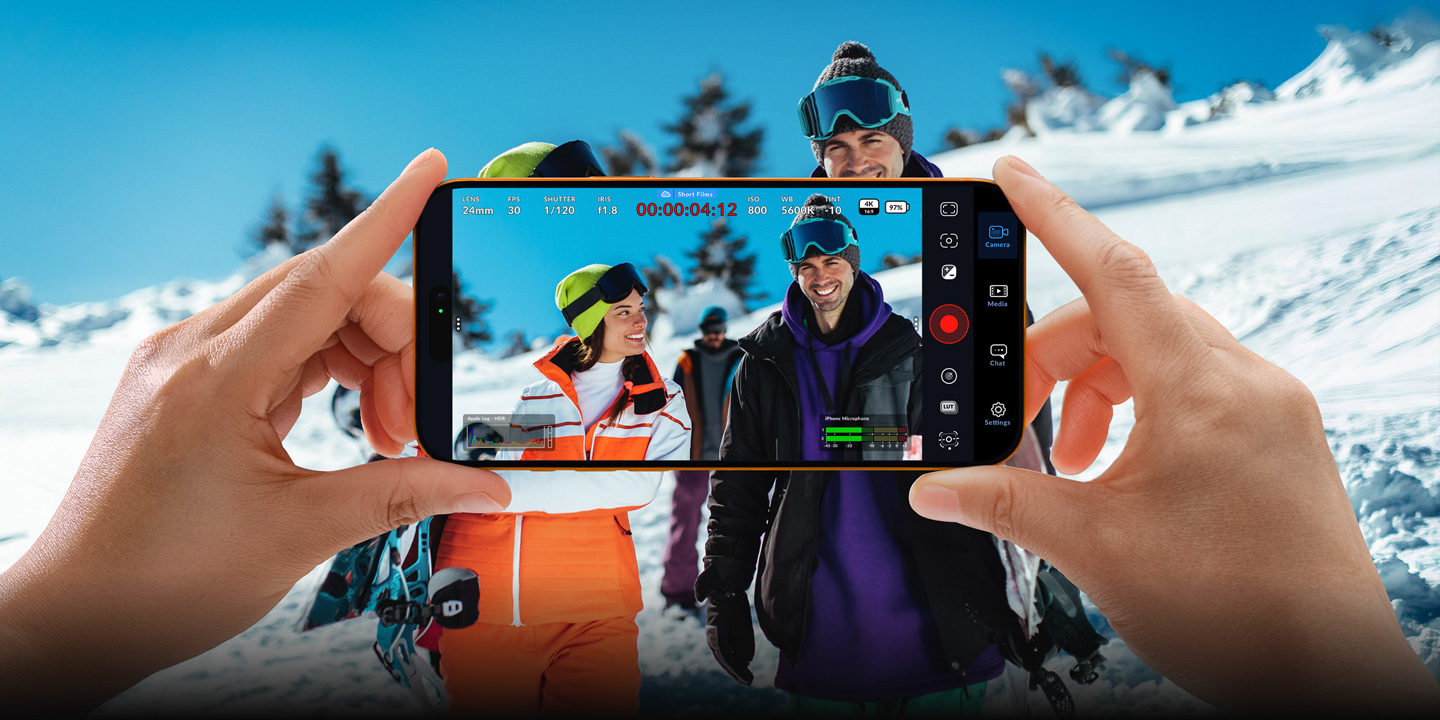
A train arriving. Someone making coffee. The light moving across a room. The subject can stay the same while the film changes completely: a quiet close-up, a moving pursuit, a view from inside the action. October is about the camera's point of view—and choosing one for the scenes you actually want to make.
Read the seven-camera guide →Film an ordinary moment before choosing a camera. Try a wide view, a close detail and a movement with what you already own. Notice which frame you cannot make: a tighter detail, a steady walk, a shot in the rain. That missing frame is a better guide than a headline resolution.
Try the five-shot exercise →The Canon V1 and Pocket 3 both spare you a lens bag, yet ask for different films. Canon's zoom lets you change a frame from across the room. DJI's gimbal lets the frame travel with a person through it.
A 17–52mm-equivalent video zoom, large compact sensor and cooling fan in one body. Its 4K60 mode crops the wide view by about 1.4×.

A three-axis mechanical gimbal makes moving with your subject the natural shot. The fixed view cannot replace the Canon's optical zoom.
A lens system grows with you, but the body still has a point of view. Fujifilm makes color a tactile decision. Sony balances tracking, stabilization and stills. Panasonic makes full-frame open gate and in-camera color unusually portable. Compare complete kits, including their lenses.

The Film Simulation dial and 6.2K open gate suit a considered look and flexible edits. Digital stabilization is a meaningful limitation for walking shots.
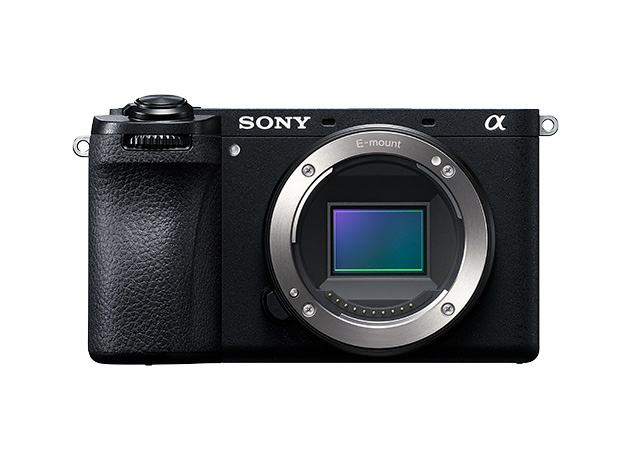
Oversampled 4K60, strong tracking, in-body stabilization and E-mount lenses make it the system to keep building.

Full-frame 6K open gate, stabilization and Real Time LUT color in a small body. It gives up a viewfinder and mechanical shutter.
A rugged camera can go where you would not risk a mirrorless body. GoPro asks you to point its wide lens at the action. Insta360 records all directions and lets you choose the angle later. Both are distinctive tools; their 8K figures describe very different images.

A 1-inch sensor, 8K60 flat video and 20m waterproofing put a composed frame inside the action.
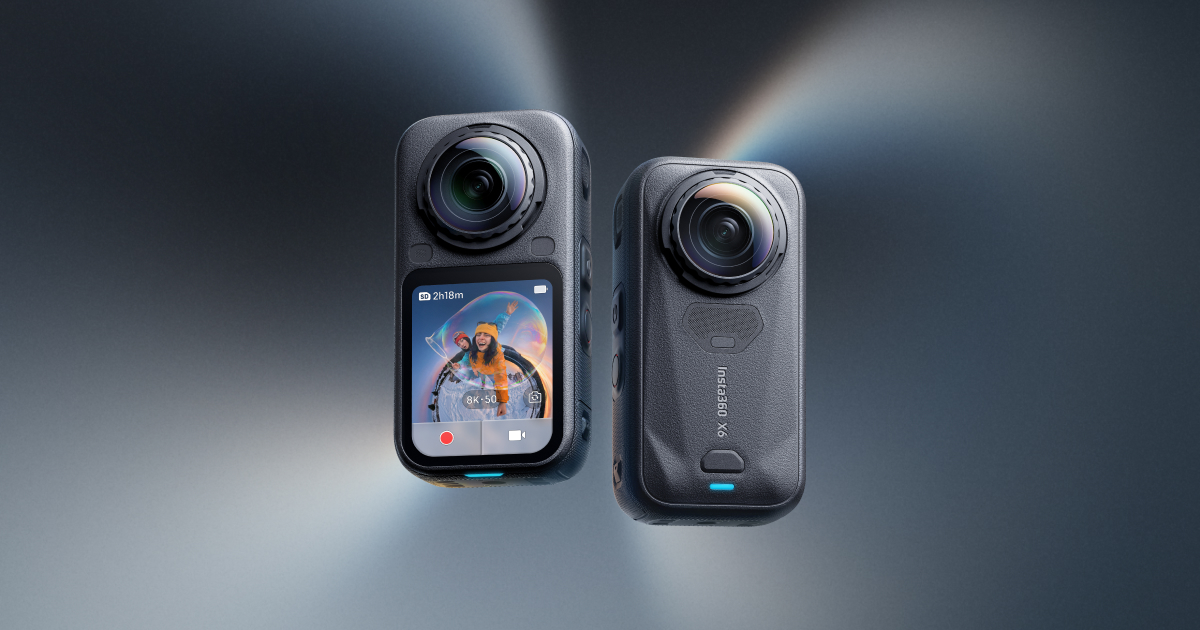
Records an 8K50 sphere so you can find a direction after the moment. A reframed flat shot uses only part of those pixels.
Good sound and a finished edit matter with every camera here. Get close enough to record the voice, listen to a test clip, then cut the scene. If you cannot yet name the shot a new camera will make possible, the five-shot exercise is still the best place to begin.
OCTOBER / CHOOSE THE SHOT
These cameras are built for different decisions. Start with the scene you want to make, then read the specifications that change that scene.
Your subject crosses a room, then walks into the street. Both cameras fit in a small bag. Their lenses and stabilization lead to different films.
| A closer look | CanonPowerShot V1 ↗ | DJIOsmo Pocket 3 ↗ |
|---|---|---|
| What changes | Optical zoom changes the frame from where you stand | A mechanical gimbal steadies the frame as you move |
| Useful mode | Uncropped 4K30; 4K60 with about 1.4× crop | 4K120 slow motion with a fixed wide view |
| Choose it for | A sequence of wide shots and close details | A continuous walk or follow shot |
| Give up | Gimbal-smooth walking without extra support | Optical zoom and lens changes |
Canon
DJI
The Canon changes what is inside the rectangle. The DJI changes how the rectangle travels.
A lens system can grow with you. Here the important choice is how much you value immediate color, balanced stills and video, or compact full-frame capture.
| A closer look | FujifilmX-M5 ↗ | Sonyα6700 ↗ | PanasonicLumix S9 ↗ |
|---|---|---|---|
| Sensor | 26.1MP APS-C | 26MP APS-C | 24.2MP full frame |
| Video strength | 6.2K/30p 3:2 open gate; Film Simulation dial | 6K-oversampled 4K60; cropped 4K120 | 6K/30p 3:2 open gate; Real Time LUT |
| Steady handheld | Digital stabilization; lens stabilization depends on lens | Five-axis in-body stabilization | Five-axis in-body stabilization |
| Choose it for | A small kit and a look chosen while filming | A long-lived hybrid photo and video system | Full-frame framing and color in a compact body |
| Give up | In-body stabilization and viewfinder | Lower body price and open-gate recording | Viewfinder, mechanical shutter and uncropped 4K60 |
Fujifilm
Sony
Panasonic
Each body needs a lens. Compare the total kit you would carry, not the camera bodies in isolation.
Both cameras can enter wet, unpredictable places. Their 8K modes describe different things: one records a flat wide picture, the other a complete surrounding sphere.
| A closer look | GoProMISSION 1 PRO ↗ | Insta360X6 ↗ |
|---|---|---|
| What it records | 8K60 flat 16:9 or 8K30 open gate | 8K50 across all 360 degrees |
| What you decide later | How far to crop within the direction you filmed | Which direction to show, and how the view turns |
| Choose it for | A composed point of view from inside the action | A scene whose best angle is unpredictable |
| Give up | Seeing behind the camera after the fact | The detail of a flat 8K frame and a simpler edit |
GoPro
Insta360
Eight thousand pixels across a sphere cannot all appear in one normal flat crop. The X6 buys freedom of direction; the GoPro spends its pixels on the view you chose.
Specifications come from the makers, linked on each camera page. Recording crops and lenses can change the image you actually capture.
Leave a comment. Reported comments are hidden.
Loading comments…